
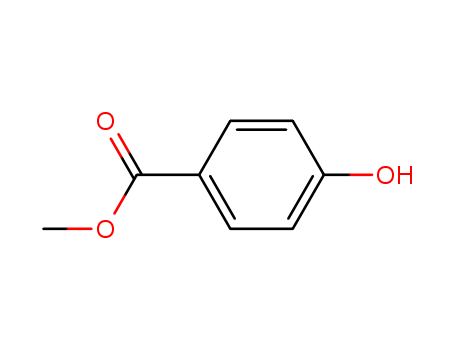
Methylparaben
Contact usMethylparaben Good Supplier In Bulk Supply High Purity 99-76-3
- Molecular Formula: C8H8O3
- Molecular Weight: 152.15
- Appearance/Colour: white crystalline powder
- Vapor Pressure: 3.65E-05mmHg at 25°C
- Melting Point: 125-128 °C(lit.)
- Refractive Index: 1.4447 (estimate)
- Boiling Point: 265.5 °C at 760 mmHg
- PKA: pKa 8.15(H2O,t =20.0) (Uncertain)
- Flash Point: 116.4 °C
- PSA: 46.53000
- Density: 1.209 g/cm3
- LogP: 1.17880
Methylparaben(Cas 99-76-3) Usage
|
Content analysis |
Method one: determinate according to the content analysis method in "butyl p-hydroxybenzoate (07002)". Per mL 1 mol/L sodium hydroxide is equivalent to the product (C8H8O3) 152.2mg. Method two: Take 0.1 g (accurate to 1 mg) of the sample previously dried on silica gel for 5 h and move into a 300 ml flask with a glass plug. Plus l mol/L sodium hydroxide 10ml, heated in the water bath for 15min. After cooling, add 0.1mol/L potassium bromate 0.00ml, potassium bromide 5.0g and l mol/L hydrochloric acid 30ml. Put 15min in the dark room after sealing. Add potassium iodide 1 g, shake the flask vigorously, with 0.1mol/L sodium thiosulfate titration, with starch test solution (TS-235) as an indicator. Per ml 0.1mol/L potassium bromate is equivalent to the product (C8H8O3) 25.36mg. |
|
Toxicity |
ADI 0~10mg/kg(FAO/WHO,2001). GRAS(FDA,§184.1490,2000). LD503000mg/kg(Dog, mouth) |
|
Utilization limitation |
FAO/WHO (1984): Jam, jelly, 1000mg/kg (single or with benzoate, sorbic acid and potassium sorbate). EEC(1990,mg/kg): For use in pigment solutions, flavor syrups, coffee extracts, frozen drinks, fruit, glucose and soft drinks, pickled fish, salad, sauce, snack food, concentrated soup and so on, limited to GMP; Beer 70; Snack cereals and soup concentrate 175, the same as "07018 p-hydroxybenzoate". HACSG is listed as a restricted list. FDA,§184.1490(2000):0.1%. |
|
Preparation |
The drug is esterified with p-hydroxybenzoic acid and methanol. The p-hydroxybenzoic acid was added to excess methanol to dissolve, stirring and adding concentrated sulfuric acid slowly. After heating and refluxing 10h, pour into the water to precipitate crystallization, then washed with water, sodium carbonate solution and water, finally obtain the crude product. Recrystallize from water or 25% ethanol to obtain finished product. The yield was 85%. Raw material consumption (kg/t): p-hydroxybenzoic acid 1200, methanol 1000. |
|
Acute toxicity |
Abdomen-mouse LD50: 960 mg/kg |
|
Flammability hazard characteristics |
Combustible, excretes spicy smoke from fireground |
|
Storage |
Ventilated , low temperature and dry warehouse. |
|
Production Methods |
Methylparaben is prepared by the esterification of p-hydroxybenzoic acid with methanol. |
|
Hazard |
Toxic. Use in foods restricted to 0.1%. |
|
Flammability and Explosibility |
Nonflammable |
|
Pharmaceutical Applications |
Methylparaben is widely used as an antimicrobial preservative in cosmetics, food products, and pharmaceutical formulations; see Table I. It may be used either alone or in combination with other methylparaben is the most frequently used antimicrobial preservative. The parabens are effective over a wide pH range and have a broad spectrum of antimicrobial activity, although they are most effective against yeasts and molds. Antimicrobial activity increases as the chain length of the alkyl moiety is increased, but aqueous solubility decreases; therefore a mixture of parabens is frequently used to provide effective preservation. Preservative efficacy is also improved by the addition of propylene glycol (2–5%), or by using parabens in combination with other antimicrobial agents such as imidurea; Owing to the poor solubility of the parabens, paraben salts (particularly the sodium salt) are more frequently used in formulations. However, this raises the pH of poorly buffered formulations. Methylparaben (0.18%) together with propylparaben (0.02%) has been used for the preservation of various parenteral pharmaceutical formulations; |
|
Biochem/physiol Actions |
Methyl 4-hydroxybenzoate, also called methyl paraben or nipagin, comprises the ester of p-hydroxybenzoic acid. It is present naturally in cloudberry, white wine and bourbon vanilla. Methyl 4-hydroxybenzoate has antimicrobial and antifungal functionality and is commercially used as a preservative in the food, cosmetic and pharmaceutical industry. Methyl 4-hydroxybenzoate has cytotoxic effects on keratinocytes in the presence of sunlight. Methyl 4-hydroxybenzoate upon solar irradiation mediates DNA damage and modulates esterase metabolism resulting in skin damage and favors cancer progression. Methyl 4-hydroxybenzoate has estrogenic functionality and upregulates estrogen-related genes. |
|
Safety |
Methylparaben and other parabens are widely used as antimicrobial preservatives in cosmetics and oral and topical pharmaceutical formulations. Although parabens have also been used as preservatives in injections and ophthalmic preparations, they are now generally regarded as being unsuitable for these types of formulations owing to the irritant potential of the parabens. These experiences may depend on immune responses to enzymatically formed metabolites of the parabens in the skin. Parabens are nonmutagenic, nonteratogenic, and noncarcinogenic. Sensitization to the parabens is rare, and these compounds do not exhibit significant levels of photocontact sensitization or phototoxicity. Hypersensitivity reactions to parabens, generally of the delayed type and appearing as contact dermatitis, have been reported. However, given the widespread use of parabens as preservatives, such reactions are relatively uncommon; the classification of overstated. Immediate hypersensitivity reactions following injection of preparations containing parabens have also been reported. Delayed-contact dermatitis occurs more frequently when parabens are used topically, but has also been reported to occur after oral administration. Unexpectedly, preparations containing parabens may be used by patients who have reacted previously with contact dermatitis provided they are applied to another, unaffected, site. This has been termed the paraben paradox. Concern has been expressed over the use of methylparaben in infant parenteral products because bilirubin binding may be affected, which is potentially hazardous in hyperbilirubinemic neonates. The WHO has set an estimated total acceptable daily intake for methyl-, ethyl-, and propylparabens at up to 10 mg/kg bodyweight. LD50 (dog, oral): 3.0 g/kg LD50 (mouse, IP): 0.96 g/kg LD50 (mouse, SC): 1.20 g/kg |
|
Carcinogenicity |
The carcinogenic potential of methyl paraben has been studied in rodents. Several studies are available, but none that expose animals via oral or dermal routes. No evidence of a carcinogenic effect was observed following intravenous or subcutaneous injection . |
|
storage |
Aqueous solutions of methylparaben at pH 3–6 may be sterilized by autoclaving at 120°C for 20 minutes, without decomposition. Aqueous solutions at pH 3–6 are stable (less than 10% decomposition) for up to about 4 years at room temperature, while aqueous solutions at pH 8 or above are subject to rapid hydrolysis (10% or more after about 60 days storage at room temperature);Methylparaben should be stored in a well-closed container in a cool, dry place. |
|
Purification Methods |
Fractionally crystallise the ester from its melt, and recrystallise it from *benzene, then from *benzene/MeOH and dry it over CaCl2 in a vacuum desiccator. [Beilstein 10 IV 360.] |
|
Incompatibilities |
The antimicrobial activity of methylparaben and other parabens is considerably reduced in the presence of nonionic surfactants, such as polysorbate 80, as a result of micellization.However, propylene glycol (10%) has been shown to potentiate the antimicrobial activity of the parabens in the presence of nonionic surfactants and prevents the interaction between methylparaben and polysorbate 80. Incompatibilities with other substances, such as bentonite, magnesium trisilicate,talc,tragacanth,sodium alginate, essential oils,sorbitol,and atropine,have been reported. It also reacts with various sugars and related sugar alcohols. Absorption of methylparaben by plastics has also been reported; the amount absorbed is dependent upon the type of plastic and the vehicle. It has been claimed that low-density and high-density polyethylene bottles do not absorb methylparaben. Methylparaben is discolored in the presence of iron and is subject to hydrolysis by weak alkalis and strong acids. |
|
Regulatory Status |
Methylparaben and propylparaben are affirmed GRAS Direct Food Substances in the USA at levels up to 0.1%. All esters except the benzyl ester are allowed for injection in Japan. In cosmetics, the EU and Brazil allow use of each paraben at 0.4%, but the total of all parabens may not exceed 0.8%. The upper limit in Japan is 1.0%. Accepted for use as a food additive in Europe. Included in the FDA Inactive Ingredients Database (IM, IV, and SC injections; inhalation preparations; ophthalmic preparations; oral capsules, tablets, solutions and suspensions; otic, rectal, topical, and vaginal preparations). Included in medicines licensed in the UK. Included in the Canadian List of Acceptable Non-medicinal Ingredients. |
|
Chemical Properties and Occurrence |
Methylparaben (MPB) is an alkyl ester of p-hydroxybenzoic acid (PHBA). Widely used as a preservative in food, pharmaceuticals, and personal care products.
|
|
Removal Methods |
Methylparaben can be effectively removed by Fenton-based processes from synthetic and real water, offering a potential remediation strategy for water treatment. |
|
Biological Production and Utilization |
While often assumed to be of synthetic origin, methylparaben is part of the natural metabolome of some organisms.
|
|
Chemical properties |
Methylparaben is a colourless crystalline powder that is odourless or has a faint characteristic odour and a slight burning taste. Slightly soluble in water, easily soluble in ethanol, ether, acetone and other organic solvents.One gram dissolves in 2.5 ml ethanol, in about 4 ml of propylene glycol, and in 400 ml of water at 25°C or about 50 ml of water at 80 a C. It is permissible at levels up to 0.1 % in soft drinks, non-leavened bakery products, and other products where it is generally used as a fungistat. From 1000 to 4000 ppm are required to inhibit Gram-positive bacteria. Like the benzoates, its effectiveness increases with decreasing pH.Methylparaben can by assayed by placing 2 g in a flask and adding 40.0 ml of I N NaOH (with rinsing of sides of flask with water). With a watch glass cover in place, boil gently for I h and cool. Add five drops of bromthymol blue T.S., and titrate the excess NaOH with 1 N H2S04 to pH 6.5 by matching the colour of pH 6.5 phosphate buffer containing the same proportion of indicator. Each ml of 1 N NaOH = 152.2 mg of methylparaben (National Academy of Sciences, 1963). |
|
Definition |
ChEBI: A 4-hydroxybenzoate ester resulting from the formal condensation of the carboxy group of 4-hydroxybenzoic acid with methanol. It is the most frequently used antimicrobial preservative in cosmetics. It occurs naturally in several fruits, particularly in blu berries. |
|
Aroma threshold values |
Detection: 2.6 ppm. |
|
General Description |
Methyl paraben is basically a methyl ester of p-hydroxybenzoic acid. It is non-toxic, and non-carcinogenic in nature. It is a stable, non-volatile compound and finds application as an anti-microbial preservative in foods, drugs and cosmetics. It is readily absorbed through the skin and gastrointestinal tract. Upon hydrolyzation, it is hydrolyzed to p-hydroxybenzoic acid, and the conjugates formed get rapidly excreted in the urine. |
InChI:InChI=1/C8H8O3/c1-5-4-6(9)2-3-7(5)8(10)11/h2-4,9H,1H3,(H,10,11)/p-1
99-76-3 Relevant articles
Carboxyl Methyltransferase Catalysed Formation of Mono- and Dimethyl Esters under Aqueous Conditions: Application in Cascade Biocatalysis
Ashbrook, Chloe,Carnell, Andrew J.,Goulding, Ellie,Hatton, Harry,Johnson, James R.,Kershaw, Neil M.,McCue, Hannah V.,Rigden, Daniel J.,Ward, Lucy C.
supporting information, (2022/02/21)
Carboxyl methyltransferase (CMT) enzymes...
A Mild Heteroatom (O -, N -, and S -) Methylation Protocol Using Trimethyl Phosphate (TMP)-Ca(OH) 2Combination
Tang, Yu,Yu, Biao
, (2022/03/27)
A mild heteroatom methylation protocol u...
Method for hydrolyzing diarylether compound to generate aryl phenol compound
-
Paragraph 0093-0095, (2021/09/29)
The invention discloses a method for hyd...
Hydroxyl radical-mediated oxidative cleavage of CC bonds and further esterification reaction by heterogeneous semiconductor photocatalysis
Hong, Mei,Jia, Rui,Miao, Hongyan,Ni, Bangqing,Niu, Tengfei,Wang, Hui
, p. 6591 - 6597 (2021/09/10)
A hydroxyl radical-mediated aerobic clea...
99-76-3 Process route
-
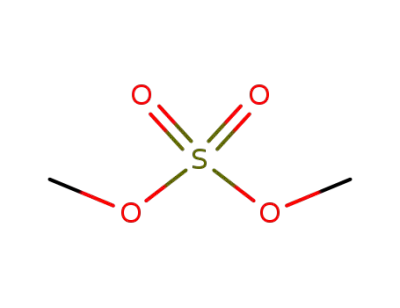
-
77-78-1
dimethyl sulfate

-
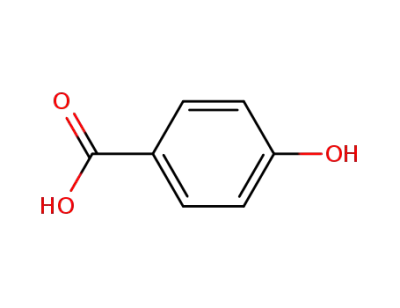
-
99-96-7
4-hydroxy-benzoic acid

-
-
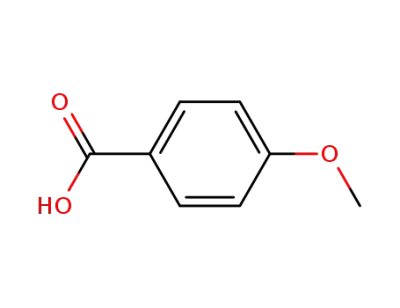
100-09-4
4-methoxybenzoic acid
-
-
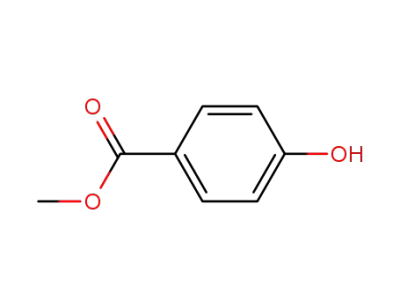
99-76-3,156291-94-0
methyl 4-hydroxylbenzoate
| Conditions | Yield |
|---|---|
|
With
potassium hydroxide;
|
-
-
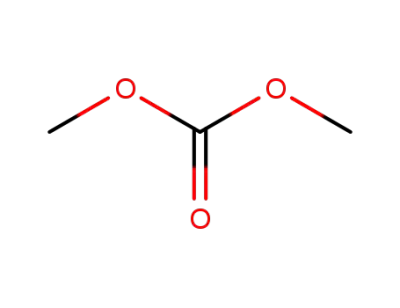
616-38-6
carbonic acid dimethyl ester
-
-
99-96-7
4-hydroxy-benzoic acid
-
-
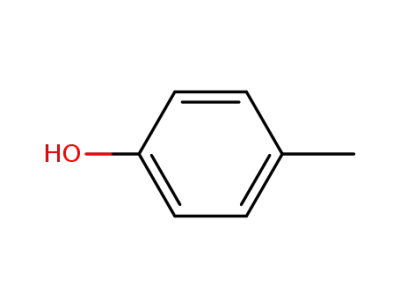
106-44-5
p-cresol
-
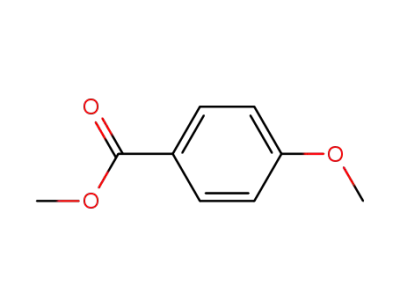
-
121-98-2
methyl 4-methoxybenzoate
-
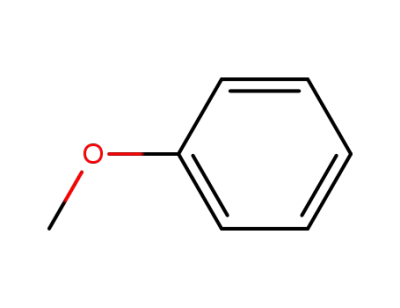
-
100-66-3
methoxybenzene
-
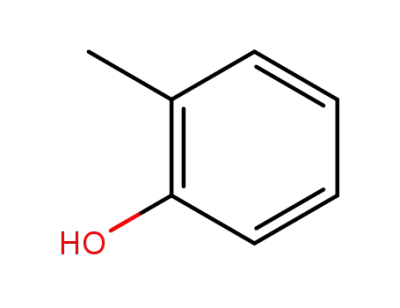
-
95-48-7,77504-84-8
ortho-cresol
-
-
100-09-4
4-methoxybenzoic acid
-
-
99-76-3,156291-94-0
methyl 4-hydroxylbenzoate
| Conditions | Yield |
|---|---|
|
With
2C2F3O2*2C11H12F3NO2Sn*O; potassium carbonate;
at 200 ℃;
for 6h;
|
99-76-3 Upstream products
-
143925-57-9
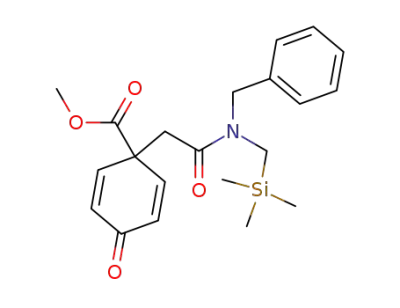
1-[(Benzyl-trimethylsilanylmethyl-carbamoyl)-methyl]-4-oxo-cyclohexa-2,5-dienecarboxylic acid methyl ester
-
3943-97-3
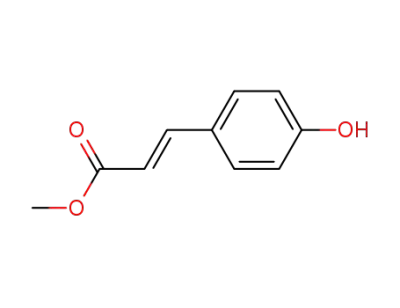
methyl 4-hydroxycinnamate
-
18826-95-4
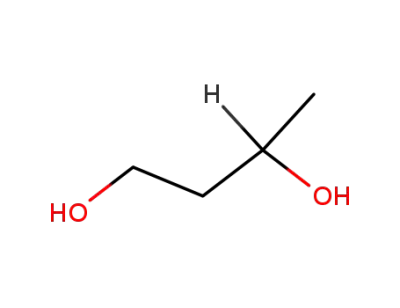
1.3-butanediol
-
28141-24-4
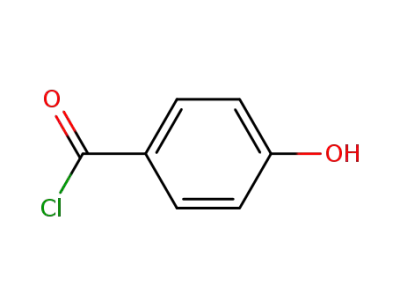
4-hydroxybenzoyl chloride
99-76-3 Downstream products
-
1711-24-6
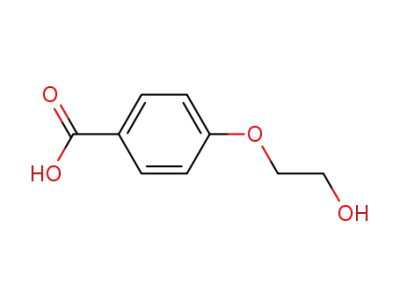
4-(2-hydroxyethoxy)benzoic acid
-
92501-87-6
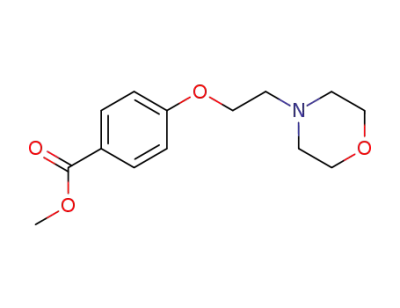
methyl 4-(2-morpholinoethoxy)benzoate
-
24262-66-6
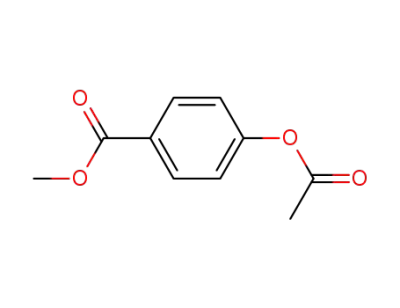
methyl 4-acetoxybenzoate
-
109470-61-3
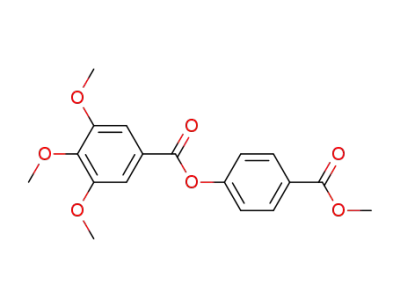
4-(methoxycarbonyl)phenyl 3,4,5-trimethoxybenzoate
Other Customizd Materials
-
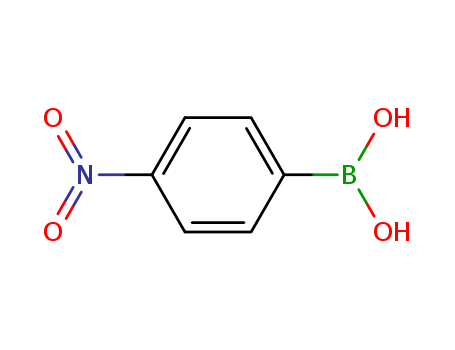
4-Nitrophenylboronic acid
CAS:24067-17-2
-
DIISOPROPYLNAPHTHALENE
CAS:38640-62-9
-
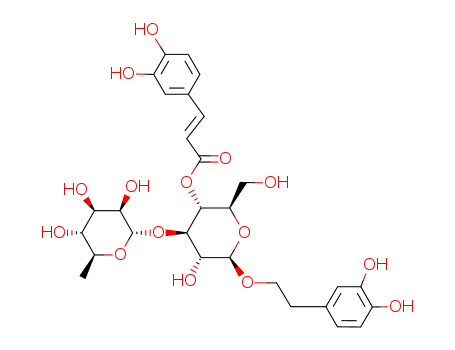
Verbascoside
CAS:61276-17-3
-
Sodium Phosphate Monobasic Monohydrate
CAS:10049-21-5
-
divanadium tris(sulphate)
CAS:13701-70-7
-
tetra[carbonato(2-)]dihydroxypentamagnesium
CAS:7760-50-1
-
SODIUM DISILICATE N-HYDRATE
CAS:13870-28-5
-
Hymexazol
CAS:10004-44-1
NEWSLETTER
For inquiries About Our Products, Please Leave Your E-Mail To Us And We will Contact You Within 24 Hours.